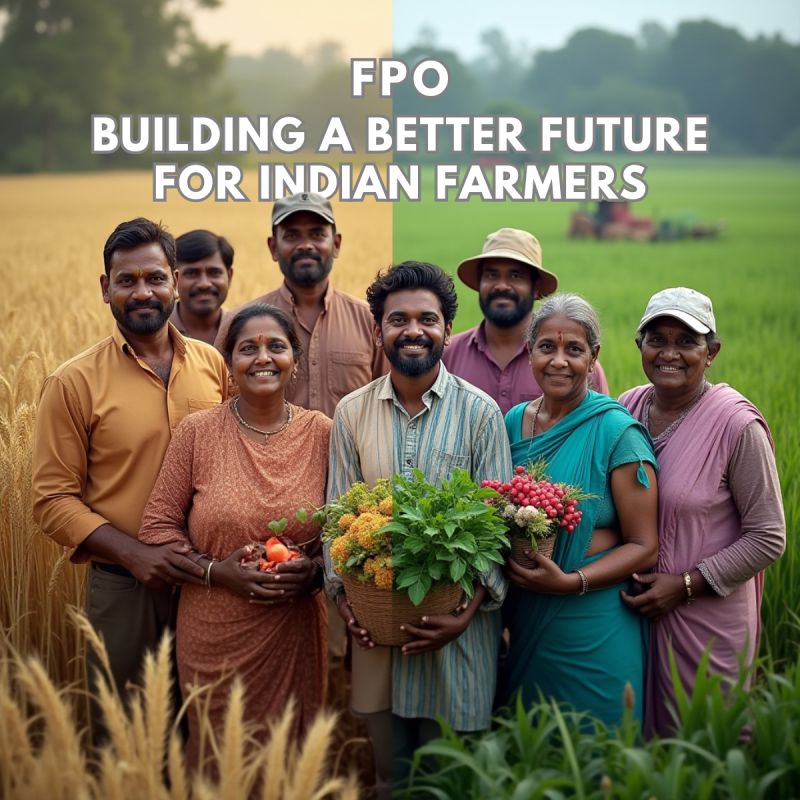
A Paradigm Shift in Rural Cooperation
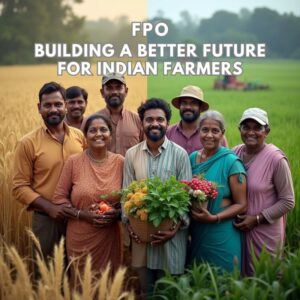
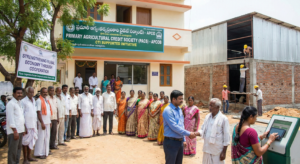
For decades, Primary Agricultural Credit Societies (PACS) have been the heartbeat of rural India, functioning primarily as the “last-mile” delivery point for short-term credit. While this model served its purpose in the Green Revolution era, the modern farmer faces complex challenges: fragmented landholdings, lack of market access, and high input costs. To address these, a structural evolution is underway—transforming PACS into Farmer Producer Organizations (FPOs).
The Philosophy of Aggregation
The core strength of an FPO lies in its ability to aggregate. When a PACS adopts the FPO model, it transitions from being a mere “lender” to a “business partner” for the farmer. By pooling the produce of hundreds of small and marginal farmers, the PACS gains the leverage required to negotiate with large corporate buyers, exporters, and food processors. This shift moves the profit center from the middleman back to the village.
Key Pillars of the PACS-FPO Integration
Supply Chain Ownership: Unlike traditional FPOs that often struggle with capital, PACS already possess an established member base and institutional trust. By acting as FPOs, they can manage the entire supply chain—from providing high-quality seeds and fertilizers at wholesale rates to managing post-harvest logistics.
Value Addition & Processing: Under the new model, PACS are encouraged to set up primary processing units. Whether it is a mini-rice mill, a turmeric polishing unit, or a grading line for chilies, adding value at the source ensures that farmers capture a higher percentage of the final consumer price.
Market Linkages & Digital Trade: With the integration of platforms like e-NAM (Electronic National Agriculture Market), PACS-FPOs can bypass local “mandi” limitations, selling produce to buyers across the country. This digital transparency ensures fair pricing based on quality rather than local demand-supply whims.
The Role of APCOB and DCCBs
The transition requires more than just a change in nomenclature. APCOB and District Co-operative Central Banks (DCCBs) are playing a pivotal role by providing:
Term Loans: For setting up cold storages and processing infrastructure.
Working Capital: To facilitate the procurement of produce from members.
Technical Expertise: Helping PACS navigate the legal and regulatory requirements of the Companies Act or the amended Cooperative Acts.
Conclusion: From Credit to Commerce
The conversion of PACS into FPOs is the cornerstone of the “Sahakar se Samriddhi” (Prosperity through Cooperation) vision. It empowers the farmer to stop being a passive recipient of credit and start being an active participant in a thriving commercial enterprise.